
The wrong creator camera is easy to buy. A product demo shows one impossible shot, the spec sheet says 8K, and suddenly every travel problem looks like it needs a new camera. A better buying question is narrower: what footage are you failing to capture right now?
This guide compares GoPro Mission 1 Pro, Insta360 X5, Insta360 Flow 2 Pro, DJI Neo and Insta360 GO 3S. They are all creator gear, but they solve different jobs: cinematic compact capture, reframable 360 footage, smoother phone video, aerial clips and tiny mounted POV.
The quick decision table
| Footage problem | Start with | Why it may fit | What to verify before buying |
|---|---|---|---|
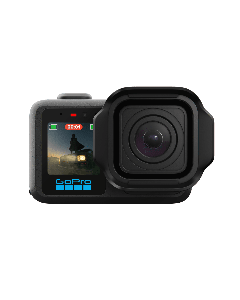
| You want a compact camera with more cinematic control than a normal action cam | GoPro Mission 1 Pro | GoPro lists a 1-inch sensor, GP3 processor, 8K/open-gate video modes, 50MP photos and rugged mounting logic. | Exact Pro model, editing hardware, storage, battery plan and bundle contents. |
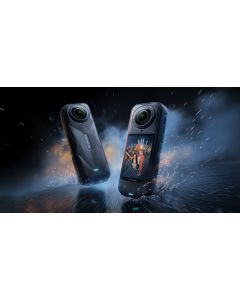
| You miss shots because you aimed the camera wrong | Insta360 X5 | 360 capture lets you reframe later, which is useful for travel, sports and solo creators. | Editing workflow, file size, lens protection, mounts and whether 360 output fits your content. |
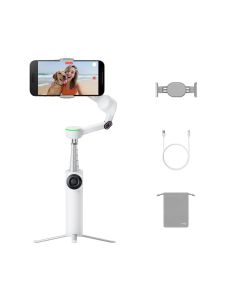
| Your phone footage is useful but too shaky | Insta360 Flow 2 Pro | A gimbal can improve walking shots, tracking clips and phone-first creator work without buying another camera. | Phone size, case fit, app features, setup time and whether you will carry it. |
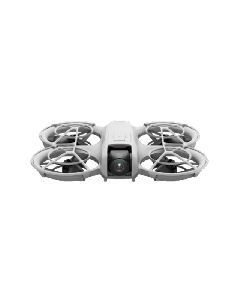
| You need quick aerial establishing shots | DJI Neo | A compact drone can add context and movement that handheld cameras cannot capture. | Local drone rules, no-fly zones, registration, battery limits and obstacle-avoidance expectations. |
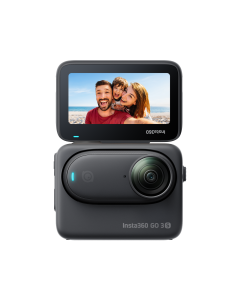
| You need tiny POV clips from angles a larger camera cannot reach | Insta360 GO 3S | The tiny body makes sense for light POV, travel snippets and creative mounting. | Battery/runtime limits, storage, mounting safety and whether small size matters more than image flexibility. |
Where GoPro Mission 1 Pro earns attention
The GoPro Mission 1 Pro is the most “serious camera” choice in this set. GoPro describes the Mission 1 Pro with a 1-inch sensor, GP3 processor, 8K60 16:9 video, 8K30 open-gate capture, 4K120 open-gate capture, 50MP RAW photos, high-frame-rate slow motion, improved runtime and thermal behavior. Those details matter when the final output needs more grading, cropping, reframing or professional polish than a casual clip.
The trap is buying it for the resolution badge alone. 8K and open-gate footage can become a burden if your laptop, storage, cards and editing workflow are not ready. Mission 1 Pro makes most sense when you can name the missing capability: better low light, more crop room, rugged mounting with a larger sensor, or a compact kit for paid or serious creator work.
Where Insta360 X5 is the safer travel bet
The Insta360 X5 solves a different failure: bad framing. A 360 camera is valuable when you cannot easily aim, when you are filming yourself, when action is unpredictable, or when one camera needs to capture multiple directions at once. It is often more forgiving than a traditional camera on a bike, hike, city walk or fast travel day.
The cost is workflow. Reframing takes time. Files get large. Lens protection matters. If you hate editing, 360 capture can become a chore. If you like turning one capture into vertical, horizontal and reframed clips, it can be one of the most efficient travel-content tools in the bag.
Where a phone gimbal beats another camera
The Insta360 Flow 2 Pro is the practical answer when the phone is already good enough but your hands are not. For many creators, the phone has the best sharing workflow, familiar color, reliable audio accessories and immediate editing path. A gimbal can improve walking clips, tracking shots, product pans and travel reels without adding a separate camera ecosystem.
That does not mean everyone needs one. A gimbal is another object to charge, unfold, balance, pack and remember. If the friction makes you leave it at home, the phone alone wins. Buy the gimbal only if smoother motion is the missing piece and you already shoot often enough to justify setup time.
Where DJI Neo belongs
DJI Neo is not a replacement for a handheld camera. It is for a specific visual layer: quick aerial establishing shots, follow-style clips, location context and perspectives you cannot get from ground level. That can make a travel video feel bigger fast.
The responsible caveat is serious. Drone rules vary by country, city, park, event and airspace. Buyers need to check registration, no-fly zones, visual line-of-sight rules, privacy expectations and battery transport limits. Also verify camera expectations: a small drone can add story, but it does not automatically beat a dedicated camera for image quality.
The kit I would actually build
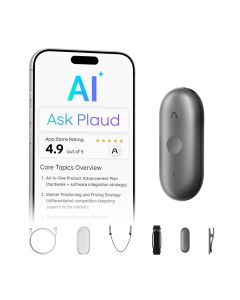
For most creators, one main device plus one specialist device is enough. A travel filmmaker might pair GoPro Mission 1 Pro with DJI Neo. A solo action creator might pair Insta360 X5 with a phone. A social-first creator might use the phone, Insta360 Flow 2 Pro and a small audio recorder like PLAUD NotePin S only when notes or interviews matter. The mistake is buying every format before knowing which format earns its place.
Start with your bottleneck. If you miss framing, choose 360. If you miss cinematic image quality in a rugged body, compare Mission 1 Pro. If you miss motion smoothness, use a gimbal. If you miss aerial context, add a drone. If none of those problems is clear, wait.
What I would check before buying
- List the shots you failed to capture in the last month, not the specs you wish you owned.
- Check exact model names, ASINs, seller, bundle contents and return policy.
- Confirm battery, memory card, mount and accessory costs before comparing headline prices.
- Check editing hardware and storage if you plan to shoot 8K, open-gate or 360 footage.
- For drones, check local laws before buying, not after the box arrives.
FAQ
Is GoPro Mission 1 Pro better than Insta360 X5?
Not universally. Mission 1 Pro is better if you need a traditional compact cinema/action camera workflow with a larger sensor and serious video modes. Insta360 X5 is better if reframing after capture is the main value.
Should I buy a gimbal if my phone already has stabilization?
Only if your current footage still looks shaky, poorly framed or hard to track. Modern phones are already good; a gimbal earns its place when it changes the kind of shots you can reliably make.
Is DJI Neo a good first drone for creators?
It can be, but only if your locations allow drone use and you understand the rules. A small drone is still an aircraft for many legal and safety purposes.
Do I need all of these cameras?
No. Most people need one main camera and maybe one specialist tool. Buying every format usually creates more charging, storage and editing friction than value.
The bottom line
Buy GoPro Mission 1 Pro if compact cinematic capture is the missing piece. Buy Insta360 X5 if reframing saves your shots. Buy Insta360 Flow 2 Pro if your phone is good but your motion is not. Add DJI Neo only when aerial context is legal, useful and worth the extra responsibility.
Sources checked: GoPro Mission 1 official camera details, GoPro Mission 1 Series announcement, Insta360 X5 official product details, Insta360 Flow 2 Pro official product details, DJI Neo official product details, FAA recreational drone guidance.
As an Amazon Associate we earn from qualifying purchases.
Comments