
BISSELL CrossWave Edge-style wet-dry vacuums are trending because they promise a simple idea: vacuum and mop in one pass. Robot vacuums promise something different: less daily effort through automation. Premium pool robots promise another version of the same dream outside the house. The right buy depends on where the mess lives and whether you want active control or passive automation.
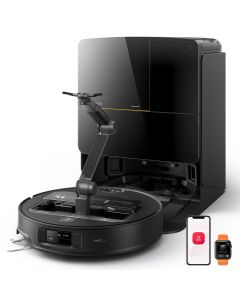
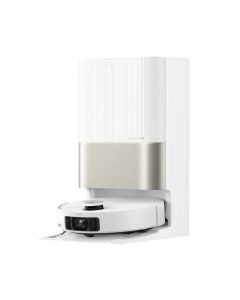
This guide compares cordless wet-dry vacuum mops with robot vacuums like Roborock Saros Z70, premium robot systems like Dreame X50 Ultra and Narwal Flow, plus outdoor automation like Aiper Scuba X1 Pro Max.
Decision table
| Mess type | Start with | Why | Limit |
|---|---|---|---|
| Pet mess, muddy footprints, food spills, sticky floors | Wet-dry vacuum mop | You actively clean wet and dry mess in one pass | You still push it, empty it and clean parts. |
| Daily dust, crumbs and maintenance cleaning | Roborock Saros Z70 | Automation handles repeated floor upkeep | Obstacles, cords and floor layout still matter. |
| Higher-end vacuum/mop automation | Dreame X50 Ultra or Narwal Flow | More advanced robot-mop workflow | Dock size, maintenance and price increase. |
| Pool debris and waterline work | Aiper Scuba X1 Pro Max | Outdoor pool automation, not indoor floor care | Different category; compare pool size and bundle. |
What a wet-dry vacuum mop is best at
BISSELL lists the CrossWave Edge Cordless 4329F as a multi-surface machine for vacuuming and mopping in one step, with cordless power, edge cleaning, two-tank technology, 25.2V rechargeable power, 4-hour charge time, up to 22 minutes runtime, 10.5-inch cleaning path, 580 mL dirty tank, 750 mL clean tank and about 10 lb weight. That spec set points to active cleanup: you grab it when there is a mess now.
This is different from a robot vacuum. A robot is better at routine maintenance and “while you do something else” cleaning. A wet-dry vacuum mop is better when you want direct control over a visible spill or dirty zone.
Where robots win
Robot vacuums win on repetition. If the floor gets dusty every day, a robot can run on schedule and reduce baseline mess. Premium models add obstacle handling, mop systems, docking and mapping. That can be more valuable than a hand-operated wet-dry machine if your main problem is consistency, not emergency cleanup.
Where wet-dry machines win
Wet-dry machines win when mess is specific, wet, sticky or pet-related. A robot may avoid some spills, smear others, or require prep. A cordless wet-dry cleaner lets you attack the mess directly. The trade-off is that you become the navigation system.
The maintenance reality
Every cleaning gadget creates a second cleaning job. Wet-dry vacuums need tanks emptied, rollers rinsed and filters maintained. Robot vacuums need bins, docks, mop pads, brushes and obstacle management. The best cleaning gadget is not the one with the most automation; it is the one whose maintenance routine you will actually tolerate.
Pre-buy checklist
- List the top three messes you clean most often: dust, pet hair, food, mud, liquid, pool debris.
- Check sealed hard-floor compatibility before using any wet cleaner.
- Compare runtime to your actual floor area.
- For robot vacuums, measure dock space and note cords, rugs and thresholds.
- For wet-dry vacuums, check tank size, brush replacement and cleaning steps.
Best buyer profile
The best wet-dry buyer sees mess and wants to deal with it immediately. The best robot buyer wants the floor to look acceptable most days without thinking about it. The best premium robot buyer has enough floor area, pets, schedule friction or mobility constraints to justify automation. If you cannot name the repeated cleaning job, wait before buying the expensive machine.
FAQ
Can a robot vacuum replace a wet-dry vacuum mop?
Not completely. Robots are better for routine dry debris and some mopping workflows; wet-dry machines are better for direct active cleanup.
Is cordless runtime enough?
It depends on floor area and mess type. BISSELL lists up to 22 minutes for CrossWave Edge Cordless, which may be enough for targeted cleanup but not every home.
Are wet-dry vacuums good for pet homes?
They can be useful for muddy paws, kibble and mixed messes, but brush/tank cleaning becomes part of the routine.
Should I buy a premium robot vacuum first?
If daily maintenance is the problem, yes. If spills and sticky mess are the problem, start with wet-dry cleaning.
The bottom line
Buy wet-dry when you need active mess control. Buy robot when you need daily automation. Buy premium only when the cleaning routine it removes is real, frequent and annoying enough to justify the price.
Sources checked: BISSELL CrossWave Edge official specs, Hammacher smart home gadget collection, Gadget Flow cleaning-tech listing.
As an Amazon Associate we earn from qualifying purchases.
Comments