
If you are choosing between a smart ring and a smartwatch, do not start with the sensor list. Start with the behavior you want to change. A ring is better when you want low-friction sleep and recovery tracking without another screen. A watch is better when you want workouts, GPS, notifications, payments, music, and an always-visible display.
This is the practical companion to our smart rings comparison. That guide compares Oura, Galaxy Ring and RingConn directly. This one asks the higher-intent buying question: should your next wearable even be a ring, or is a smartwatch the more honest purchase?
The fast decision
| Buyer situation | Start with | Why it makes sense | What to verify before buying |
|---|---|---|---|
| You mainly care about sleep, recovery, readiness and not wearing a screen to bed | Oura Ring 4 or RingConn Gen 2 | Rings are smaller, lighter and less distracting overnight. | Subscription cost, sizing kit, supported phone, return rules and whether you want deep app insights. |
| You use Android and want a ring that fits Samsung Health workflows | Samsung Galaxy Ring | Samsung publishes Android compatibility and a charging case approach around the Galaxy ecosystem. | Your Android version, Samsung Health expectations, ring size availability and current bundle terms. |
| You want wellness tracking without a recurring subscription | RingConn Gen 2 or Ultrahuman Ring Air | Both brands position the purchase around no recurring subscription for core data access. | App quality, feature availability by region, sizing process, support and stock status. |
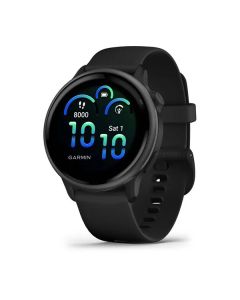
| You train outdoors, need GPS, want a screen, or rely on alerts | Garmin vivoactive 6 | A smartwatch is a tool you interact with during the day, not just a passive tracker. | GPS battery mode, display always-on battery hit, wrist fit, platform features and charger type. |
Choose a ring when friction is the enemy
The best argument for a smart ring is not that it replaces every feature on a watch. It is that you may actually wear it at the moments a watch becomes annoying: sleep, showers, low-key workdays, formal events, travel days and weekends when a large screen on your wrist feels like too much.
Oura Ring 4 is the premium, app-led option. Oura publishes a titanium build, recessed sensors, sizing from 4 to 15, typical battery life of 5–8 days and 100m water resistance. The real buying caveat is the membership: Oura’s own support page lists $5.99/month or $69.99/year in the US after the included first month for new members. If you are comparing total cost over two or three years, that subscription belongs in the table, not in tiny mental footnotes.
RingConn Gen 2 is more cost-control oriented. RingConn lists 10–12 days of battery life, 2–3g weight depending on ring size, 2mm thickness, titanium alloy materials and no subscription for core health tracking. That makes it interesting for buyers who want a ring because it disappears into the routine, not because it creates a new app bill.
Choose a watch when you need interaction
A smartwatch still wins when the product needs to do something while you are moving. The Garmin vivoactive 6, for example, gives you a screen, sports apps, GPS modes, music storage, Garmin Pay and battery assumptions Garmin publishes separately for smartwatch mode, always-on display and GPS activity. That is a different job than a ring. It is a training and notification device, not just a recovery signal collector.
The watch also wins if you need glanceable alerts, timers, route activity, music control, payment, or a visible workout screen. A smart ring may log patterns in the background; it will not replace the interaction layer on your wrist.
Do not ignore platform lock-in
The Samsung Galaxy Ring has one obvious buyer profile: Android users who want Samsung Health integration and like the charging-case format. Samsung lists Android 11 or higher with more than 1.5GB of memory, BLE 5.4, sizes 5–13 in the spec sheet we checked, and up to 7 days battery on larger sizes under Samsung’s test assumptions. That is useful detail, but it also means iPhone buyers should not treat it as a neutral, universal ring.
Ultrahuman Ring Air is another no-subscription candidate. Ultrahuman publishes a light titanium build, 2.4–3.6g weight depending on size and no recurring subscription fee for data access. The important check is not only price; it is whether the specific insight style in the app fits how you actually make health decisions.
The boring checks that prevent a bad buy
- Fit first: smart rings are far less forgiving than watches. Use the right sizing kit and wear the sample for more than a quick minute.
- Total cost: include membership fees, sizing delays, replacement chargers and region-specific taxes.
- Phone compatibility: check Android/iOS support before falling in love with the hardware.
- Data expectations: none of these should be used as a diagnosis tool. Treat wellness data as trend information, not medical advice.
- Daily habit: if you hate wearing rings, buy a watch. If you hate notification devices, buy a ring.
FAQ
Is a smart ring better than a smartwatch for sleep?
For many people, yes, because a ring is smaller and less intrusive overnight. But “better” depends on comfort and app usefulness. If you already sleep comfortably with a watch, the upgrade may be less dramatic.
Which smart ring is best if I do not want a subscription?
RingConn Gen 2 and Ultrahuman Ring Air are the two to compare first because both brands publish no-recurring-subscription positioning. Still verify exactly which features are available in your region and app version.
Should athletes buy a watch instead?
If GPS, on-wrist workout screens, intervals, music, alerts and activity controls matter, a watch is usually the more complete training device. A ring can still be useful for sleep and recovery trends.
Can smart rings replace medical devices?
No. Use rings and watches as consumer wellness devices. If you have symptoms, medication questions, heart concerns, sleep apnea concerns, pregnancy questions or mental-health concerns, talk to a qualified clinician.
Practical verdict
Buy a smart ring if you want quiet, screenless, low-friction tracking and you are willing to solve sizing carefully. Buy a smartwatch if you want a visible tool for workouts, alerts and daily interaction. The smartest purchase is the wearable you will actually keep wearing after the novelty fades.
Sources checked: Oura Ring 4 specifications, Oura Membership pricing, Samsung Galaxy Ring specs, RingConn Gen 2 specs, Ultrahuman Ring Air specs, Garmin vívoactive 6 announcement.
As an Amazon Associate we earn from qualifying purchases.
Next step: compare the actual smart rings
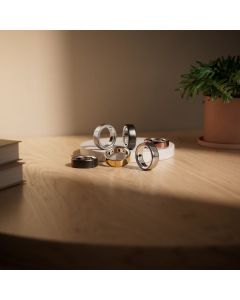
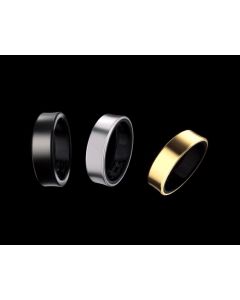
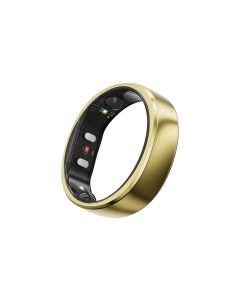
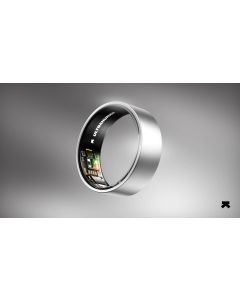
If you decide a ring is the right wearable format, do not jump straight to the prettiest product photo. Compare Oura Ring 4, Samsung Galaxy Ring, RingConn and Ultrahuman by subscription cost, sizing process, phone ecosystem and no-fee alternatives first.
Comments