
Every new EV comes with a Level 1 charging cable, and most buyers assume the first upgrade is a Level 2 charger. That is often the right call — but not always, and the decision depends almost entirely on daily mileage and overnight charging habits.
This guide skips the spec padding and gets to the only question that matters: does your driving routine actually need faster home charging, or is the free cable already solving the problem?
Quick snapshot
| Level 1 speed | ~5 miles of range per hour (120 V outlet, no install needed) |
|---|---|
| Level 2 speed | ~25–35 miles of range per hour (240 V, electrician required) |
| Level 2 install cost | $200–$800 for a 240 V circuit, depending on panel location |
| Break-even scenario | Daily drivers covering 40+ miles typically recover install costs within a year |
| Best budget move | Level 1 is enough for under 30 miles/day if you charge every night |
Featured product
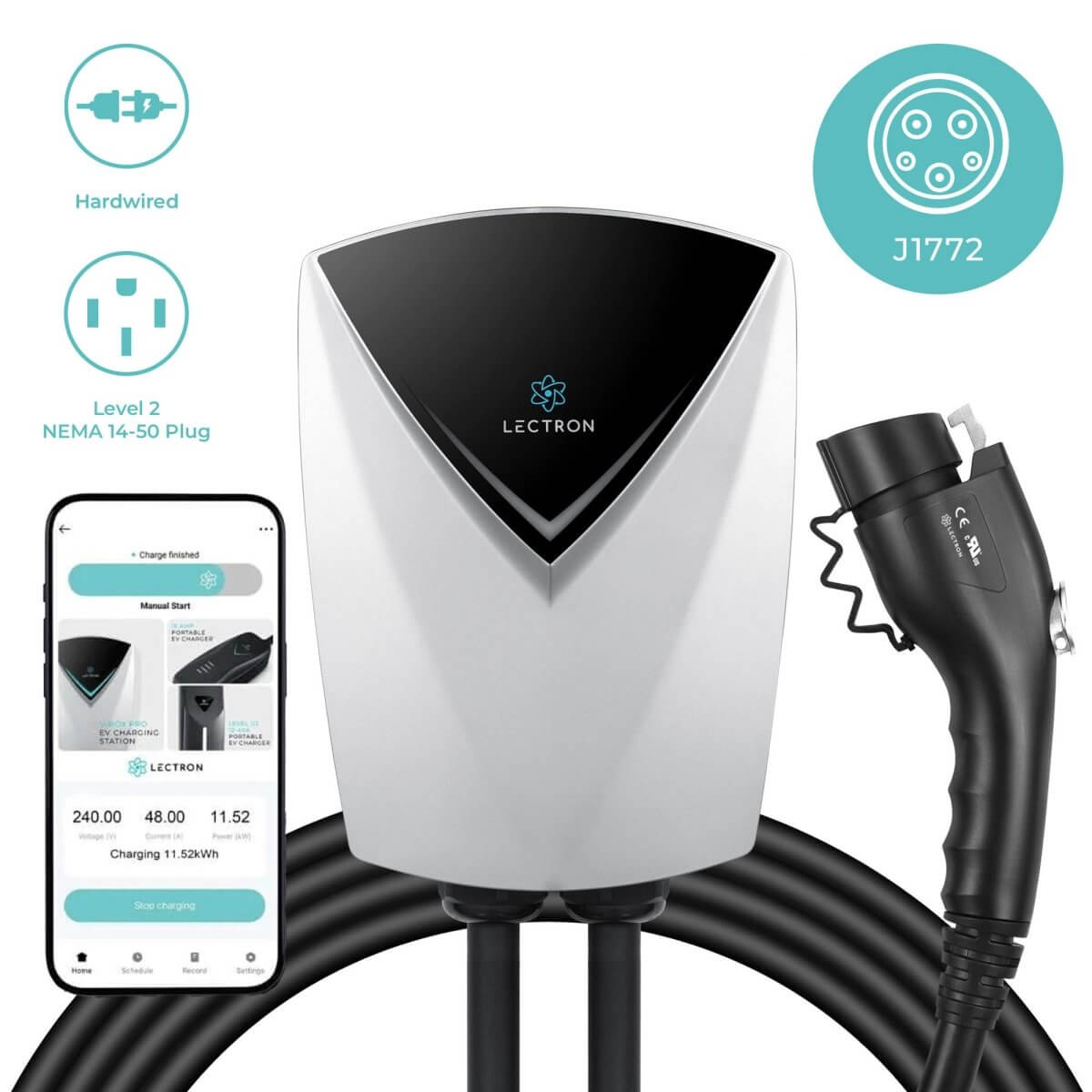
Lectron Home Level 2 V-BOX Pro EV Charger
Lectron Home Level 2 V-BOX Pro EV Charger keeps the hardwired and plug-ready home charging variants on one cleaner page so EV owners can choose the connector that actually matches the car in the driveway.This family is for buyers planning a permanent
Why this angle works
- Level 1 is genuinely enough for drivers covering under 30 miles per day who charge every night — no install, no cost.
- Level 2 starts paying for itself when daily mileage regularly exceeds 40 miles or when overnight Level 1 charging cannot fully recover the battery by morning.
- The electrician cost matters as much as the charger price — a panel that is far from the garage can double the install bill.
- Portable Level 2 options exist and are worth knowing about before committing to a hardwired unit.
Who this is best for
- New EV owners who are not sure whether the included charging cable is a real limitation or just feels slow.
- Buyers comparing hardwired chargers versus portable Level 2 options before they call an electrician.
- Readers doing the honest math on whether a Level 2 install makes financial sense for their specific routine.
What to watch before you buy
- Buying a Level 2 charger before getting an electrician quote is putting the cart before the horse — the install cost often exceeds the hardware cost.
- A 48-amp hardwired unit is only worth it if the car can actually accept that charging rate; most EVs max out at 32–40 amps at home.
- Smart charger features (scheduling, energy monitoring) are useful but add cost — verify which features matter before paying for them.
The honest math: who actually needs Level 2
The standard rule of thumb: if your daily round trip is under 30 miles and you plug in every night, Level 1 adds about 35–40 miles of range overnight. For most suburban commuters, that math works fine without any additional hardware.
The gap shows up in two situations: first, when daily mileage is high enough that Level 1 cannot fully recharge the battery overnight. Second, when the charging window is shorter than expected — overnight parking is not always guaranteed, and a Level 2 charger cuts the top-up time from eight hours to under two.
- Under 30 miles/day and overnight charging available: Level 1 is probably enough.
- 40–80 miles/day or unpredictable parking windows: Level 2 upgrade is worth running the numbers.
- Multi-EV household: Level 2 with load balancing is almost always the right answer.
Hardwired vs plug-in Level 2: the choice most guides skip
A hardwired Level 2 charger is permanently wired to a dedicated circuit. It is the most powerful and reliable option but requires a permit and a licensed electrician. A plug-in Level 2 charger connects to a 240 V NEMA 14-50 outlet — the same type used for dryers and ranges — which can be installed once and then used for any plug-compatible charger.
The plug-in route is almost always the smarter starting point: it costs less to install, the charger stays portable if you move, and it supports the same charging speeds as most hardwired units for everyday use.
Watch the related video
FAQ
Can I use a Level 1 charger indefinitely without damaging the battery?
Yes. Level 1 charging is perfectly safe for the battery. The only downside is speed — it takes longer to recover range. There is no long-term harm from using the included cable for years.
What is the actual cost of a Level 2 install at home?
The charger hardware typically costs $200–$700. The electrician install for a dedicated 240 V circuit adds $150–$600 depending on panel location, conduit runs, and permit requirements. Total out-of-pocket is usually $400–$1,200 before any rebates.
Are there federal rebates for Level 2 home charger installs?
Yes. The US federal Alternative Fuel Vehicle Refueling Property Credit covers 30% of the combined hardware and installation cost, up to $1,000. State and utility rebates vary widely and can stack on top of the federal credit.
Does a Level 2 charger work with any EV?
Any Level 2 J1772 charger works with any non-Tesla EV sold in North America. For Tesla vehicles, a J1772 adapter is included in the box. NACS-native vehicles (Tesla and some newer models) also accept standard J1772 with the included adapter.
Is a smart charger worth the extra cost?
For most buyers, smart features — scheduling, energy monitoring, app control — add $100–$200 to the cost and are genuinely useful if you want to charge during off-peak utility hours. If time-of-use pricing is not part of your electricity plan, a dumb Level 2 charger does the same job for less.
Final take
Level 2 is not the automatic right answer — it is the right answer for specific driving routines. The guide that helps readers figure out which side they are on is more useful than one that assumes everyone needs the upgrade.
Ready to run the numbers for your own setup?
The right charger is the one that matches your actual driving routine. Most new EV owners find the answer is either "Level 1 is fine" or "Level 2 pays for itself within a year." The in-between cases are rare.
- Check your daily mileage average before booking an electrician.
- Get a NEMA 14-50 outlet installed first — it keeps your options open regardless of charger brand.
Comments