
Most smart home regret comes from buying in the wrong order. People start with the fun gadget, end up with five apps that do not talk to each other, and a drawer of hubs they never set up. This guide does the opposite: it gives you the order that actually works, the four categories worth starting with, and the honest skip-this-for-now list.
First, pick an ecosystem
Before any single device, decide whose voice assistant runs your home: Google, Amazon, or Apple. It is not about which is best. It is about not splitting your devices across two systems that ignore each other. Pick one, then buy devices that work with it. If you already use Android and Google Photos, Google is the path of least resistance. If you live in Apple devices, lean Apple Home.
The four things worth buying first
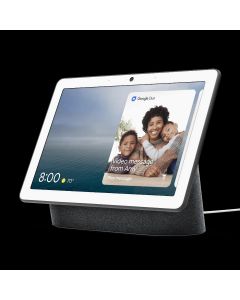
1. A smart display or speaker: the control center. This is the hub you will actually use daily: timers, weather, music, intercom, and a screen for your cameras. A smart display earns its place faster than almost anything else. If you are considering Google, read our Google Nest Hub Max pre-purchase checklist. Ready to buy? See the Google Nest Hub Max (2024 Edition).
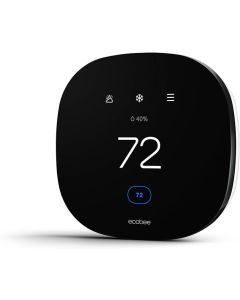
2. A smart thermostat: the one that pays you back. Of every smart home category, the thermostat is the one with a real payback: it trims heating and cooling bills month after month. It is the least exciting purchase and the smartest. The Ecobee Smart Thermostat Premium is a strong default.
3. A video doorbell: the security piece people use most. You will interact with a doorbell more than any camera. The catch most buyers miss is power: battery doorbells mean recharging every few months unless you add solar. We covered exactly that in does a Ring doorbell solar charger actually keep up? and universal vs dedicated doorbell solar chargers.
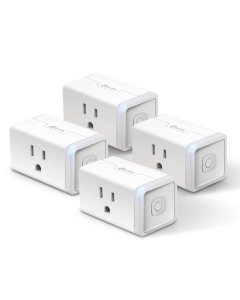
4. Two or three smart plugs: the cheap gateway. The lowest-risk way to start. A cheap plug turns a lamp or coffee machine into a scheduled, voice-controlled device. Smart plugs are the best way to learn what you actually want automated before spending real money.
What to skip for now
- A dedicated hub: modern ecosystems mostly do not need a separate hub anymore. Do not buy one until a specific device demands it.
- Smart locks as your first purchase: high friction, high stakes. Add one once the basics are stable, not on day one.
- Whole-house lighting: start with two or three bulbs, not twenty.
- Anything that only works with its own app: single-app gadgets are how you end up with a fragmented setup.
Put it together in the right order
- Choose your ecosystem: Google, Amazon, or Apple.
- Add a smart display as the control center: start with Google Nest Hub Max.
- Install a smart thermostat for the one purchase that pays back: compare the Ecobee Smart Thermostat Premium.
- Add a video doorbell, then sort its power with solar.
- Sprinkle in smart plugs to automate the small stuff and learn your habits.
Do it in that order and you get a home that feels coherent instead of a pile of gadgets. For the bigger picture of where this is all heading, see the future of smart homes.
Browse the full Smart Home collection when you are ready to build yours.
Starter paths by home type
| Home situation | Start with | Why | Skip for now |
|---|---|---|---|
| Small apartment or rental | One indoor camera, smart plugs, simple lighting | Low installation risk and easy rollback | Hardwired cameras, robot mower, complex hubs |
| Busy family home | Robot vacuum, doorbell/camera, shared routines | Repeated chores and arrivals create the most value | Novelty sensors with no daily action |
| Home office | Reliable lighting, privacy, power and desk automation | Work friction happens every day | Whole-home automation before the desk is stable |
| Garden or driveway | Outdoor camera, solar support, mower only if the lawn fits | Outdoor jobs are specific and easy to overbuy | Products that need perfect Wi-Fi where you do not have it |
What to skip until the basics work
Do not start with a full smart-home ecosystem if one small routine is broken. A single useful automation teaches you more than ten disconnected devices. Start with the device that removes the most repeated annoyance, live with it for two weeks, and only then add the next category.
Compatibility is also part of the cost. Before buying, check Wi-Fi coverage, app support, whether the product needs a hub, who in the household can control it, and what happens if the internet is down. Smart-home gear should make the home calmer, not dependent on one phone and one password.
Quick pre-buy checklist
- Can it be installed without permanent changes?
- Does every household member understand the fallback?
- Does it still work if cloud features change?
- Is the return window long enough to test it in the real home?
Comments